Hollywood has notoriously had difficulty adapting video games to the big screen. Starting with the original Super Mario Bros. film released in 1993, there have been 47 live-action video game movies that have received theatrical releases. Collectively, these 47 films have a Rotten Tomatoes score of 28.6% and an average Metacritic score of 36/100. As always, aggregated critic scores should be taken with a grain of salt. Some of the live-action video game films are a ton of fun, and quite a few were very successful at the box office. For example, Mortal Kombat (1995) is a cult classic, and A Minecraft Movie (2025) made nearly a billion dollars at the box office. I personally love some of these movies, but they are in no way “good.” With such a rich backlog of excellent IP, why do filmmakers have so much trouble adapting video games to the big screen?
Uwe Boll is the first name to come to mind when discussing bad video game movies. His films are often cited as some of the worst to have ever received a widespread theatrical release. Uwe’s films feature juvenile, tone-deaf humor and a complete lack of plot. His film Postal (2007), based on the 1997 PC game of the same name, opens with two 9/11 hijackers debating the number of virgins they will receive shortly before driving a plane into the World Trade Center. This was only six years after 9/11 and is unquestionably one of the most idiotic scenes ever committed to film. Between 2003 and 2008, Uwe made five video game adaptations that received theatrical releases. All of them bombed at the box office and were flat-out panned by critics. Uwe was famously unfazed by the negative press, calling out Michael Bay and touting his genius in an infamous YouTube video.
While Uwe is not single-handedly responsible for the stigma around video game movies, his films are representative of the major flaws present in many live-action adaptations. Certain games are popular for their underlying story and worldbuilding, not for the core mechanics or action. Many failed video game adaptations focused on translating the action of the game rather than focusing on the atmosphere and plot. The emphasis on action resulted in films devoid of story or with an entirely different plot from the source material. The original Resident Evil films are perfect examples of this action-centered approach. The first Resident Evil movie was loosely based on the first and second video games. These games were known for their thick atmosphere, horror elements, and emphasis on survival. The movie featured very little of these elements, focusing instead on all-out zombie carnage. The first movie is not all that bad, but outside of some very general plot points, it bears almost no resemblance to the source material. This departure from the source material feels like a missed opportunity, and part of the reason the film missed the mark. The popularity of the games came from the unique atmosphere and story, not the zombie killing.
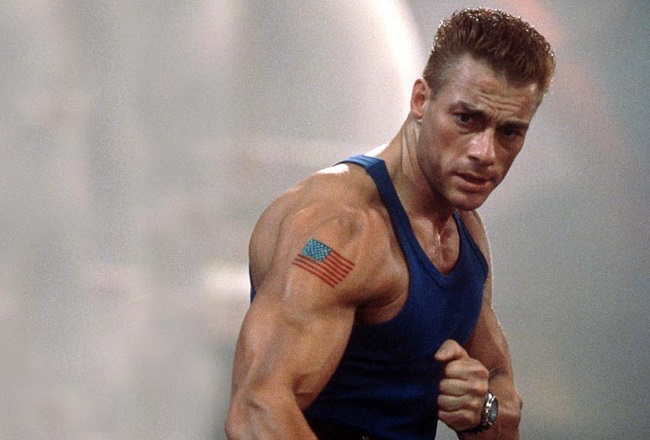
This focus on action also presented itself in the games studios chose to adapt. Mortal Kombat and Street Fighter both received live-action adaptations that were horrendous. There was an intriguing kernel of a premise in these games, but unlike Resident Evil their popularity came from their core mechanics. What the studios did not understand is that the entertainment derived from playing a video game is completely distinct from the entertainment derived from watching a movie. These games were fun because of their competitiveness and high skill ceiling. The characters and story, while iconic, were secondary to the core mechanics at the heart of the games. The studios knew that these were popular games, but they did not understand why these games were popular. The result was two films that were essentially Bloodsport reskinned with popular video game IP. Just like they had failed to capture what made Resident Evil compelling, they failed to understand what made these games compelling. Further, the movies were just downright bad. The costumes in Mortal Kombat look like they were purchased at a Spirit Halloween, and in keeping with the tradition of the game, characters front-flip simply to move around. They make for a fun watch, but they are far from good.
Despite the failures of the big-screen adaptations, live-action television adaptations of video games have become smash hits. Specifically, Fallout and The Last of Us have received acclaim from both critics and audiences. Off the bat, the decision to adapt franchises like Fallout and The Last of Us set these shows up for success. Unlike something like Super Mario Bros., these games feature rich worlds with coherent, intriguing premises. Both shows made the smart decision to focus on the worlds and stories that made these games successful. The creators of these shows understood what made the games compelling. While there is plenty of action, the stories are deeply rooted in the characters and worlds that made the games successful.
The decision to adapt these games as shows rather than films gave the creators a major advantage: time. The biggest flaw with so many video game movies is the limited window to tell the story. A typical campaign can take 20 to 40 hours to complete, and it is simply not possible to condense that into a two-hour film. To make a cohesive movie, the plot often has to be oversimplified or altered drastically, which is why many failed adaptations end up focusing almost entirely on action. In a television format, however, there is time to develop the story at a pace closer to the game. For instance, it takes nearly two hours just to finish the tutorial and grasp the world in Fallout 3. A film adaptation would either need to be ten hours long or skip world-building altogether. Television allows the story to breathe, giving space to flesh out the details that make these games so compelling.
I hope for the day when there is a film adaptation of a game that is beyond “just okay” (or not downright terrible). There are plenty of games out there that could make for a good movie if they were well executed. I am particularly excited for the upcoming adaptations of Elden Ring and Death Stranding. A24 is attached to both projects, and both have acclaimed filmmakers involved. They feel like the type of games that are conducive to a successful big-screen adaptation, with unique worlds and stories. The drought may finally be over, but only time will tell.
Leave a Reply